Understanding Qatar's Approach to Innovation Ecosystem Development
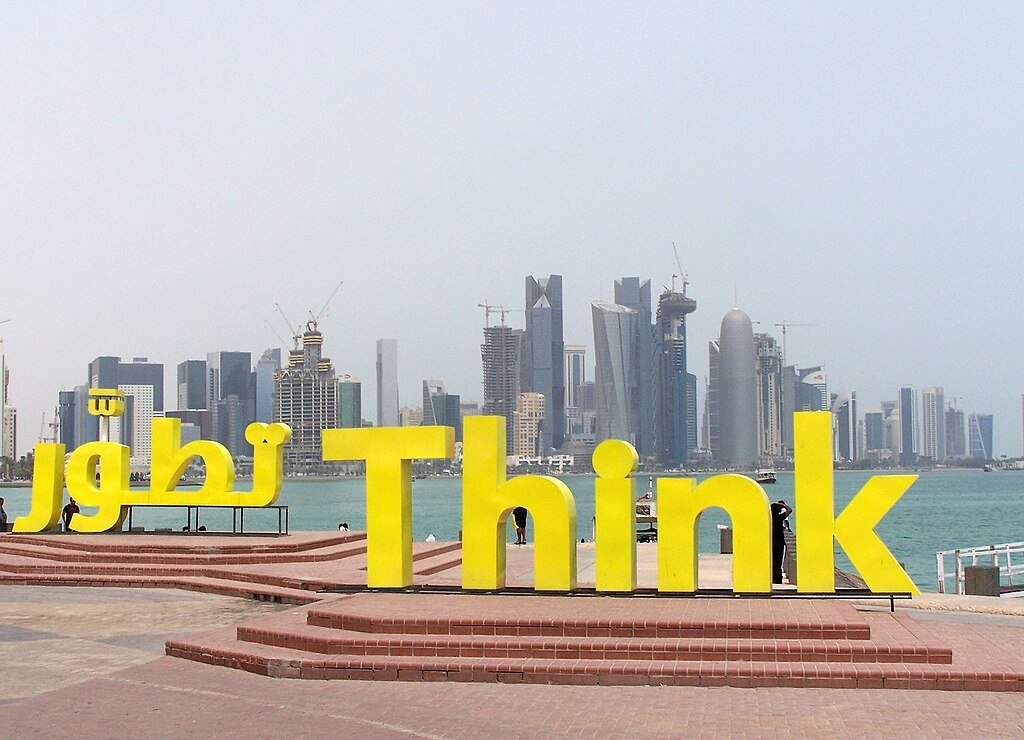
Doha is making serious investments into building a thought-out, sustainable startup ecosystem
Photo Credit: Darwinek
Growth Ensemble co-founders Meredith Carson and Adam Flinter have been visiting Doha regularly for close to two decades, and have collectively made more than a dozen visits to Qatar in 2025 alone.
In that time, they have developed a deep understanding of the market, and have witnessed its substantial changes, challenges and upsides first-hand, over the years.
This post explains why the Growth Ensemble team is bullish on Qatar as a business destination, and shares some insight into why you might consider it as part of your GCC market entry strategy.
Qatar is already well known for its diplomatic and energy credentials, yet it’s also making moves to become a major innovation investor.
In this space, the areas of focus for Qatar are clear - pairing sovereign capital with founder-friendly policy, deep research infrastructure, and a curated, partnership-first ecosystem.
Over the years it has invested in the startup and technology ecosystem in order to build out an infrastructure that can support sustainable growth, which is one of the differentiating factors that makes Qatar an attractive proposition for companies looking to dip their toes in the waters of the GCC.
The ecosystem has been built up slowly, quietly and intentionally, with a focus on how startups can collaborate with Government and larger entities to complement and create growth.
Focus on infrastructure and nation building
Qatar acts with thoughtfulness that is backed by strategy, looking at five to 10 year horizons and creating policy and infrastructure to support that.
A quick tour of the country when you land shows an approach that is “build first, grow deliberately”, rather than one of “build and grow everything all at once”.
By hosting the World Cup, Qatar enabled scalable public infrastructure, with clearly defined walkable and workable urban areas, zoned business districts, and residential enclaves that are connected by a world class public transport system which has capability to expand in the future.
When it comes to business, the approach is more of a selective, high-touch ecosystem. While the scale is smaller (the population is only 3m after all), it enables fast policy execution, one-door facilitation, and deep support per company.
This creates fast potential progress, rather than a volume game and fighting like a tiger for every ounce of access. You can also see Invest Qatar’s centralised incentives mandate as further evidence of a very deliberate, and joined-up approach to both business and national growth.

Doha is an elegant young city, with West Bay (pictured) as its business hub
What is the Qatar approach?
These moves will take some time to have an impact at scale, and the real opportunity is to get in and grow with the green shoots of the ecosystem.
Just looking at a list of the various policies and initiatives in place shows how joined up the ecosystem approach is - and it's driven from the very top.
Qatar National Vision 2030 makes an explicit commitment to a competitive, diversified, knowledge-based economy - prioritising innovation and entrepreneurship.
Infrastructure for tech growth is already in place, including the setting up of hubs for Google Cloud and Microsoft Azure Qatar region, meaning enterprise-grade infrastructure has already been built before the rush.
The Qatar Investment Authority (QIA) has launched a $1B Fund-of-Funds vehicle, seeding international and regional VCs and explicitly targeting startup ecosystem development in tech and healthcare in the country, meaning there is a growing list of VCs who are setting up shop in Doha, with a partial mandate to invest in companies operating there.
A dedicated body for R&D and commercialisation of research has been set-up. The Qatar Science & Technology Park (QSTP) has a mandate to foster applied-research, incubation and create an entrepreneurship hub. IP creation, R&D and spin-out activity are adopted as a business model.
Alongside that, is the Qatar Research Development and Innovation Council (QRDI), which has a goals of creating of a strong base of domestic and international RDI talent that drives research and innovation excellence in the country. It runs initiatives, such as Innolight, which oversees talent development as well as offering financial support in the form of R&D and innovation grants.
There is a single-source, centralised body to oversee business freezones, making things simpler for founders who want to enter the Qatar market. Qatar Free Zones offer 100% foreign ownership, 20-year corporate tax holidays, zero income tax, and zero customs duties on imports
Strong start up support programmes are in place - such as the MCIT’s ScaleNow, while Qatar Development Bank offers not just startup programmes but also investment and access. To help with soft landings, it also runs a talent community programme which offers attractive incentives such as subsidised accommodation for portfolio founders who want to explore the Qatar market.
Why This Matters for Founders
It is clear that Qatar is making concerted attempts at building a joined-up, end-to-end ecosystem. It is more reminiscent of a manicured Singapore approach than a stereotypical “high growth at any cost” model that tends to be fostered in the region.
As a smaller market, Qatar also has the advantage of being a market where you can refine your product market fit, before expanding into the wider GCC.
When you stack up all of the ecosystem bricks being put together by the Government in Doha, you can see a clear plan and playbook, which makes it an attractive proposition:
Regulation: Regulatory clarity and incentives leads to faster landing so you can spend more time growing.
Ease of business: Free-zone structures with full foreign ownership and long tax holidays reduce friction and total cost of entry.
Technical infrastructure: Deeptech-friendly infrastructure. QSTP’s labs, programs, and commercialisation support are tailored to applied research, medtech, climate/energy, and advanced manufacturing founders.
Access to capital and Government: The QIA Fund of Funds is drawing top-tier VCs to Doha; and the agile approach to Government quickly unlocks enterprise and public-sector conversations.
Access to partners: Large conglomerates are receptive to partnerships, and can help to accelerate access as the traditional families look to invest in - and partner - to build technology that can help them in the next stages of their business lifecycle.
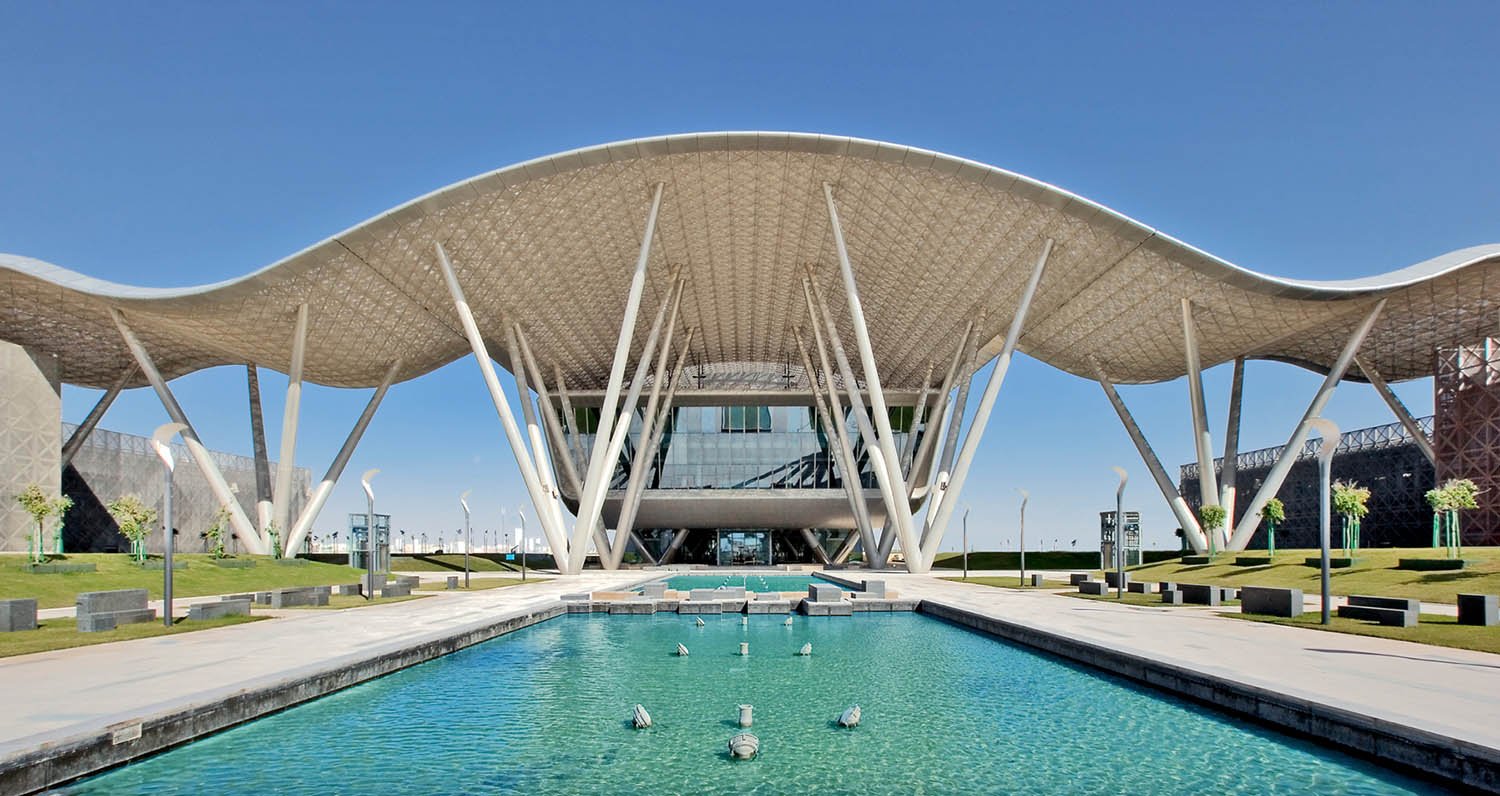
The Qatar Science & Technology Park has a mandate to foster applied-research, incubation and an entrepreneurship hub / Photo Credit: QSTP
What should founders do next?
For founders looking west across the GCC-ASEAN corridor, Qatar represents a rare chance to enter early, build deep relationships, and scale with a system designed to support you rather than overwhelm you.
The optimal next step is simple: validate your market fit, meet ecosystem enablers early, and map your entry pathway before the market becomes saturated.
If you’re considering Qatar - or the wider GCC - as part of your 2025-2026 expansion, connect with experienced operators who understand the landscape.
Growth Ensemble can help you evaluate readiness, design your entry strategy, and open the right doors from day one.
This piece is part of Growth Ensemble’s Insights series on scaling between ASEAN and the GCC.